Category

Equity

AI and Bias – Ensuring Fairness in the Age of Automation

Artificial intelligence promises efficiency, but it also carries risks—especially when bias is baked into algorithms. From hiring platforms to performance analytics, AI systems can unintentionally perpetuate inequities.

The Risk

Algorithms learn from historical data. If that data reflects bias (e.g., underrepresentation of women or marginalized groups), AI can amplify those patterns.

What Organizations Can Do

  • Audit Algorithms: Regularly review AI outputs for signs of bias.
  • Diversify Data: Use datasets that reflect the full range of your workforce.
  • Train Leaders: Ensure decision-makers understand AI’s limitations.

The Human Factor

AI cannot replace human judgment when it comes to inclusion. Organizations need ethical guidelines, oversight, and continuous improvement to ensure fairness.

At Dignii, we help companies build equity frameworks that extend to digital transformation.

Call to Action:

Is your organization using AI for hiring, promotions, or decision-making?
Dignii helps leaders develop equitable strategies and frameworks that reduce bias—even in automated systems.
Let’s build technology and processes that work for everyone.
📧 info@dignii.com | Connect with us on LinkedIn.

How to Align DEI, ESG, and Employee Engagement for Impact

Organizations are under pressure to deliver on ESG (Environmental, Social, and Governance) goals. Too often, DEI and engagement efforts are siloed from ESG reporting, resulting in disconnected strategies and missed opportunities.

The Overlap

  • Diversity, Equity & Inclusion (DEI): Focus on people, fairness, representation.
  • Employee Engagement: Measures commitment, morale, and productivity.
  • ESG: Includes the “S” (social) and “G” (governance) factors that hinge on culture and people.

When these areas work in isolation, organizations lose impact. When aligned, they become a powerful driver of sustainable growth.

How to Align

  1. Map Values to Metrics: Use engagement surveys to inform ESG social indicators.
  2. Integrate DEI Into Strategy: DEI shouldn’t be a side project; it’s part of business resilience.
  3. Communicate Results: Share progress with employees and stakeholders to build trust.

Why It Works

Aligning these strategies builds accountability, attracts investment, and enhances organizational credibility.

Call to Action:

Is your ESG reporting disconnected from your culture initiatives?
At Dignii, we help organizations align DEI, ESG, and engagement strategies into a single, measurable roadmap that drives impact.
If you’re looking for clarity, metrics, and meaningful action—book a discovery call today.
📧 info@dignii.com

From Talk to Action – How to Embed Psychological Safety in Your Leadership Practices

Psychological safety is more than a buzzword. It’s the foundation of trust, innovation, and team performance. When employees feel safe to speak up—without fear of judgment or retaliation—organizations unlock ideas, reduce errors, and strengthen engagement.

Why It Matters

Research by Google’s Project Aristotle found that psychological safety was the #1 factor in high-performing teams. Yet many leaders struggle to move from talking about safety to creating it.

Embedding Psychological Safety Into Leadership

Here are three practices leaders can start using today:

1. Model Vulnerability

When leaders admit mistakes or ask for input, they show that it’s safe for others to do the same.

2. Normalize Curiosity

Replace blame with questions: “What can we learn?” instead of “Who is at fault?”

3. Create Structured Feedback Loops

Use surveys, listening sessions, and 1:1 check-ins to actively collect employee input—and act on it.

Where Dignii Comes In

At Dignii, we help leaders:

  • Measure psychological safety across teams
  • Deliver coaching to build inclusive leadership skills
  • Facilitate safe spaces for honest conversation

The result? Teams that collaborate more effectively, innovate faster, and deliver better outcomes.

Call to Action:

Are you ready to create a culture where people feel safe to speak up and bring their best ideas forward?
Dignii partners with organizations to embed psychological safety into leadership practices through data-driven insight, workshops, and coaching.
Let’s talk about how we can help your leaders move from intention to action.
📧 info@dignii.com | www.dignii.com

Building Inclusive, Resilient Workplaces: Why Canada’s Mining Sector Needs to Prioritize DEI Now

As Canada’s mining sector faces mounting pressure to meet soaring global demand while battling a deepening labour crisis, one thing is clear: workforce sustainability is no longer optional. At Dignii, we believe the solution starts with creating truly inclusive workplaces where everyone feels safe, respected, and empowered to thrive.

From northern exploration camps to corporate offices in Vancouver, inclusive cultures are proving to be a strategic advantage—boosting retention, reducing safety risks, and enhancing performance. Here’s how Dignii can support mining companies in building a more resilient workforce through Diversity, Equity, and Inclusion (DEI).

The Challenge: Skills Shortages, Turnover & Trust

Canadian mining firms are confronting a multi-layered HR crisis:

  • Aging workforce & skilled trades shortages across operations.
  • High turnover among equity-deserving groups, including women, Indigenous workers, and 2SLGBTQ+ employees.
  • Gaps in inclusive leadership and psychological safety, especially in remote or male-dominated worksites.
  • Community trust and ESG scrutiny in areas with longstanding Indigenous ties.

These pressures are no longer just HR issues—they are boardroom priorities. The industry needs to move beyond policy to practice.

The Opportunity: DEI as a Lever for Growth & Risk Management

Dignii works with organizations across Canada to embed DEI into their people strategy—not as a compliance exercise, but as a catalyst for performance and trust.

We help mining companies:

  • Diagnose workplace culture gaps using inclusive engagement tools like surveys, focus groups, and analytics.
  • Deliver practical training on psychological safety, inclusive leadership, and anti-bias practices for leaders and crews.
  • Develop equity-driven strategies to attract, engage, and retain diverse talent—including Indigenous, newcomer, and gender-diverse employees.
  • Create safe reporting pathways and proactive approaches to address harassment, discrimination, and microaggressions.
  • Meet ESG and sustainability commitments with real impact, not just checkboxes.

Our Tools: Grounded, Scalable, Industry-Aware

Dignii brings deep expertise and customized tools designed for industries like yours:

  • Employee Engagement Surveys grounded in the Utrecht Work Engagement Scale (UWES), adapted for field and hybrid workers.
  • Equity Assessments that examine policy, lived experience, and systemic barriers.
  • Interactive Workshops that balance practical skills with courageous conversation.
  • Leadership Coaching for frontline supervisors and senior execs navigating cultural change.

Our approach is grounded in collaboration, respect, and accountability—not lectures or one-size-fits-all models.

DEI That Aligns with Safety & ESG

Safety and inclusion go hand in hand.

Mining operations that foster psychological safety see stronger reporting, lower incident rates, and greater crew cohesion. Likewise, inclusive leadership supports retention and morale, especially in fly-in/fly-out or rotational workforces.

We help companies align DEI with their existing safety frameworks and ESG commitments, building trust with employees, regulators, and Indigenous communities.

Proven Impact, Trusted by Industry

Dignii has supported organizations across the public and private sectors—including housing, construction, and government—with measurable results. Our clients value our authentic facilitation, emotional intelligence, and results-focused strategies.

With Dignii, you’re not just checking a box. You’re investing in a workplace where people stay, contribute, and grow.

Let’s Get Started

Is your company ready to move from DEI intention to action?

We invite mining leaders, HR professionals, and operational teams to connect with us. Whether you’re just beginning your inclusion journey or ready to deepen your strategy, Dignii is here to help.

Email us at info@dignii.com
Learn more at dignii.com
Book a free discovery session to talk about your challenges and goals

Together, we can build a mining industry where everyone belongs—and where business and people thrive side by side.

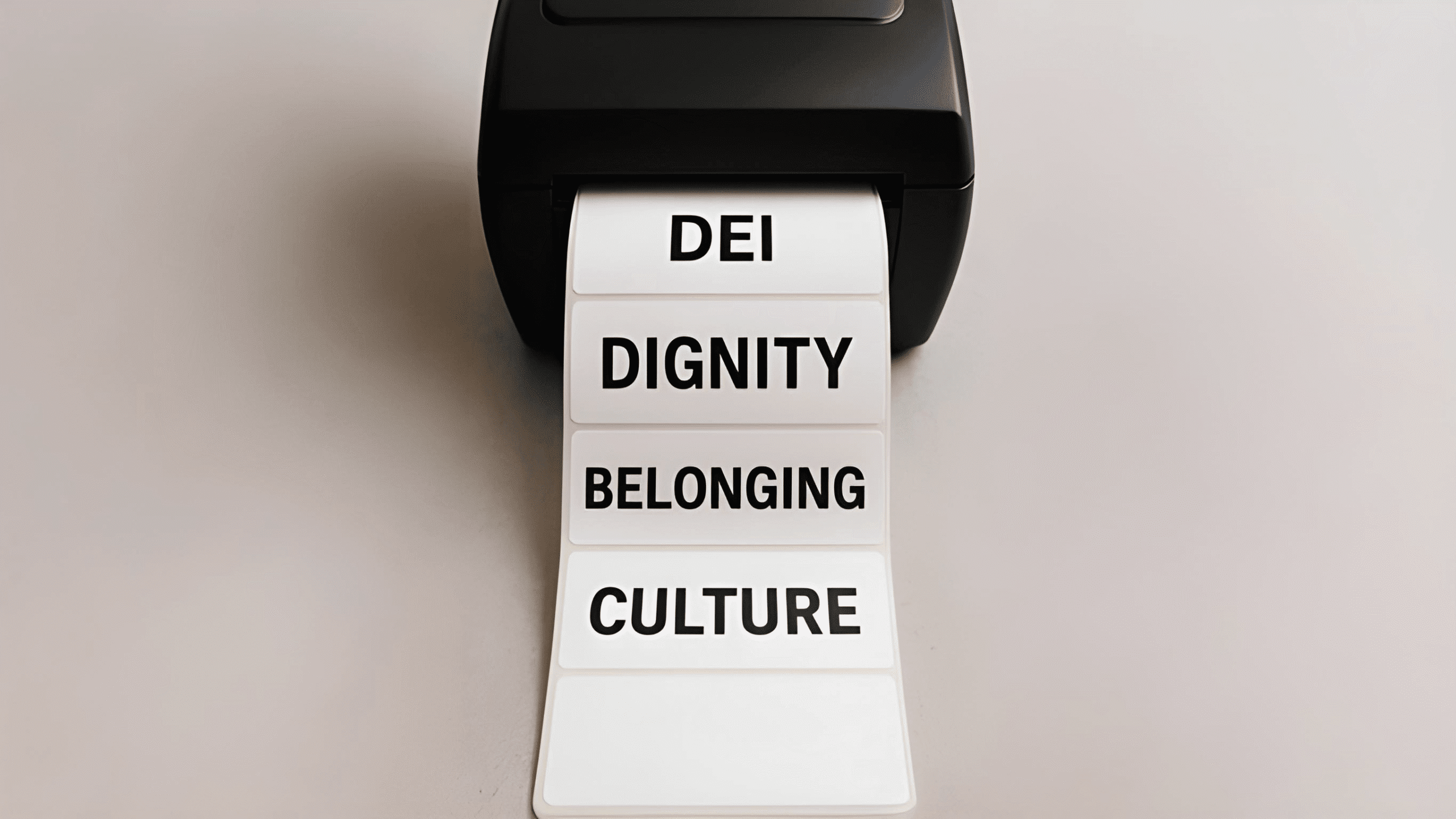
You Can Call It Whatever You Want — The Results Still Matter

There’s been a lot of conversation lately about the language we use to describe diversity, equity, and inclusion (DEI). In some spaces, the term has become politically charged. In others, it’s being rebranded — as “belonging,” “people and culture,” or simply “good leadership.”

At Dignii, we’ve always talked about dignity — because that’s what people want in their workplaces: to be seen, heard, and treated with respect.

But here’s the truth: you can call it whatever you want.
The outcomes still matter.

You still want:

  • Teams that perform at their best because they feel safe and supported.
  • Talent that stays and grows because they’re valued.
  • Innovation that thrives because diverse perspectives are welcomed.
  • A reputation that attracts customers and employees who care about impact.

Whether you call it DEI, dignity, belonging, culture, or common sense — the business case remains the same.

What matters most is not the label, but the commitment to meaningful, measurable action that builds trust, accountability, and sustainable results.

If your organization is ready to move past performative efforts and into embedded, evidence-based practices, we’re here to help.

Let’s focus on the outcomes — and the people behind them.

The High Cost of Social Conservatism in Corporate Strategy

In a rapidly changing global economy, companies face a choice: adapt to shifting social expectations or risk becoming obsolete. Social conservatism—defined here as the resistance to progressive cultural change, including opposition to diversity initiatives, LGBTQ+ inclusion, gender equity, and modern workplace norms—may appear to some as a way to protect traditional values. But from a business standpoint, it’s increasingly clear: social conservatism costs more in the long run.

Talent Drain: Losing the Next Generation of Workers

Gen Z and Millennials—who will make up 75% of the workforce by 2025—are not only more diverse, but they also expect their employers to reflect progressive values. According to a 2022 Deloitte Global Survey, 49% of Gen Z and 44% of Millennials have rejected job opportunities based on personal ethics and company values. A conservative stance on social issues can quickly become a talent repellent.

Moreover, LGBTQ+ inclusive policies are especially important to younger talent. A study by McKinsey found that LGBTQ+ employees in inclusive environments are 1.4 times more likely to be proud to work at their company and 1.5 times more likely to promote their company to others. Losing out on these workers doesn’t just hurt culture—it damages innovation and recruiting pipelines.

Brand Reputation: Values Now Drive Consumer Behavior

Today’s consumers are not just buying products; they’re buying values. A 2022 Edelman Trust Barometer report found that 58% of consumers buy or advocate for brands based on their beliefs. Companies seen as socially regressive or discriminatory face growing boycotts, negative press, and loss of brand equity.

Take the backlash faced by companies that opposed same-sex marriage or took anti-LGBTQ+ stances: several faced significant drops in stock value, customer boycotts, and talent walkouts. In contrast, brands that support inclusive causes—like Ben & Jerry’s, Patagonia, and Salesforce—have not only maintained loyal customer bases but have outperformed their peers in long-term brand trust and consumer advocacy .

Legal and Regulatory Risks in Canada

In Canada, the legal and financial risks of maintaining socially conservative workplace policies are becoming increasingly significant. Federal and provincial human rights codes require employers to provide equal treatment in employment without discrimination based on race, gender identity, sexual orientation, religion, disability, and other protected grounds. Companies that fail to meet these standards face not only legal consequences but also reputational damage.

For example, in British Columbia, the Human Rights Tribunal awarded $176,000 in damages in a 2021 case where an employee experienced discrimination and harassment based on gender identity and expression in the workplace [B.C. Human Rights Tribunal, Nelson v. Goodberry Restaurant Group Ltd., 2021 BCHRT 137]. That amount was one of the highest awards for injury to dignity in the Tribunal’s history, signaling a clear stance against socially regressive workplace environments.

Meanwhile, federally regulated employers must now comply with the Pay Equity Act and the Employment Equity Act, which require proactive equity measures, annual reporting, and employee consultation. Non-compliance can result in fines, audits, and public scrutiny from the Canadian Human Rights Commission (CHRC). As the CHRC noted in its 2022 Employment Equity Audit Report, organizations failing to meet equity requirements face growing risks not just from regulators, but also from the public and their own workforce.

Additionally, ESG-related regulations in Canada are evolving. The Canadian Securities Administrators (CSA) are increasingly pushing for disclosure of diversity metrics and workplace equity policies for publicly traded companies. Inaction or outdated stances on inclusion can negatively affect investor confidence and eligibility for ESG-focused capital.

The takeaway: socially conservative policies not only increase the risk of human rights complaints, but also put companies on the wrong side of evolving Canadian law and investment standards.

In the United States, social conservatism often results in the absence or reversal of inclusion policies, which can open the door to lawsuits, government fines, and compliance issues. Discrimination lawsuits cost U.S. businesses over $64 million in EEOC settlements alone in 2020. These costs don’t include legal fees, brand damage, or internal disruption.

As more jurisdictions pass regulations mandating equal opportunity, transparency, and diversity disclosures (such as the EU Corporate Sustainability Reporting Directive or California’s diversity mandates), socially conservative companies risk noncompliance, fines, and exclusion from ESG investment indices.

Lagging Innovation and Adaptability

Companies that resist social change often resist other forms of change, too. A study by Boston Consulting Group found that companies with above-average diversity on management teams had innovation revenue 19 percentage points higher than those with below-average diversity.

Socially conservative companies tend to create more homogenous leadership structures, which reduces the range of ideas and approaches considered in decision-making. This not only stifles innovation but also limits a company’s ability to pivot quickly in crisis—an essential trait in today’s volatile economy.

Investment Risks and ESG Ratings

Institutional investors are increasingly scrutinizing companies for Environmental, Social, and Governance (ESG) performance. Companies that lag on social metrics—especially diversity, equity, and inclusion—are less likely to be included in ESG portfolios, which now represent over $35 trillion in assets under management globally.

In a socially conservative environment, companies are less likely to meet these benchmarks, which limits access to capital, decreases share value, and exposes them to activist shareholder campaigns.

Social Conservatism Is a Business Liability

In today’s environment, neutrality is no longer an option—and regression is a risk. While some leaders may see social conservatism as a way to preserve stability or tradition, the evidence is overwhelming: the financial cost of resisting inclusion, diversity, and progressive workplace values far outweighs any perceived short-term gain.

Forward-thinking companies are recognizing that doing the right thing and doing the profitable thing can—and must—be the same. Social progress isn’t just good ethics; it’s smart economics.

Why DEI Is a Smart Strategy in Uncertain Economic Times

When the economy wavers, companies often tighten their belts—cutting programs and reducing budgets. But one investment that continues to deliver strong returns, even in downturns, is Diversity, Equity, and Inclusion (DEI).
Here’s why DEI is not just good ethics—it’s good business, especially when times are tough:

Better Problem-Solving and Innovation

Teams that bring different backgrounds, identities, and experiences to the table are more likely to challenge assumptions and generate creative solutions. In unpredictable markets, this diversity of thought is a critical advantage. McKinsey research shows that companies with diverse executive teams are more likely to outperform their peers on profitability.

Higher Employee Engagement and Retention

Economic stress can wear on employees. Inclusive workplaces—where people feel respected and valued—tend to have stronger morale and loyalty. That translates into lower turnover and higher productivity, helping companies avoid the hidden costs of constant rehiring and retraining.

Reputation and Brand Loyalty

More than ever, consumers and investors want to support companies that reflect their values. Organizations that maintain their DEI commitments—even during economic downturns—strengthen trust with stakeholders and stand out as leaders, not followers.

Expanded Market Reach

Diverse teams better understand the needs of diverse customers. That insight opens doors to new markets and helps tailor products and services more effectively—something every company needs when growth slows.

Bottom Line:
In tough times, the instinct might be to retreat—but the smarter move is to invest in what works. DEI is a proven strategy that drives resilience, innovation, and long-term value. It’s not a luxury. It’s a leadership imperative.